From tramlines to open‑top rides
How a city of light and façades became perfect for panoramic touring.
Table of Contents
Origins of sightseeing in Barcelona
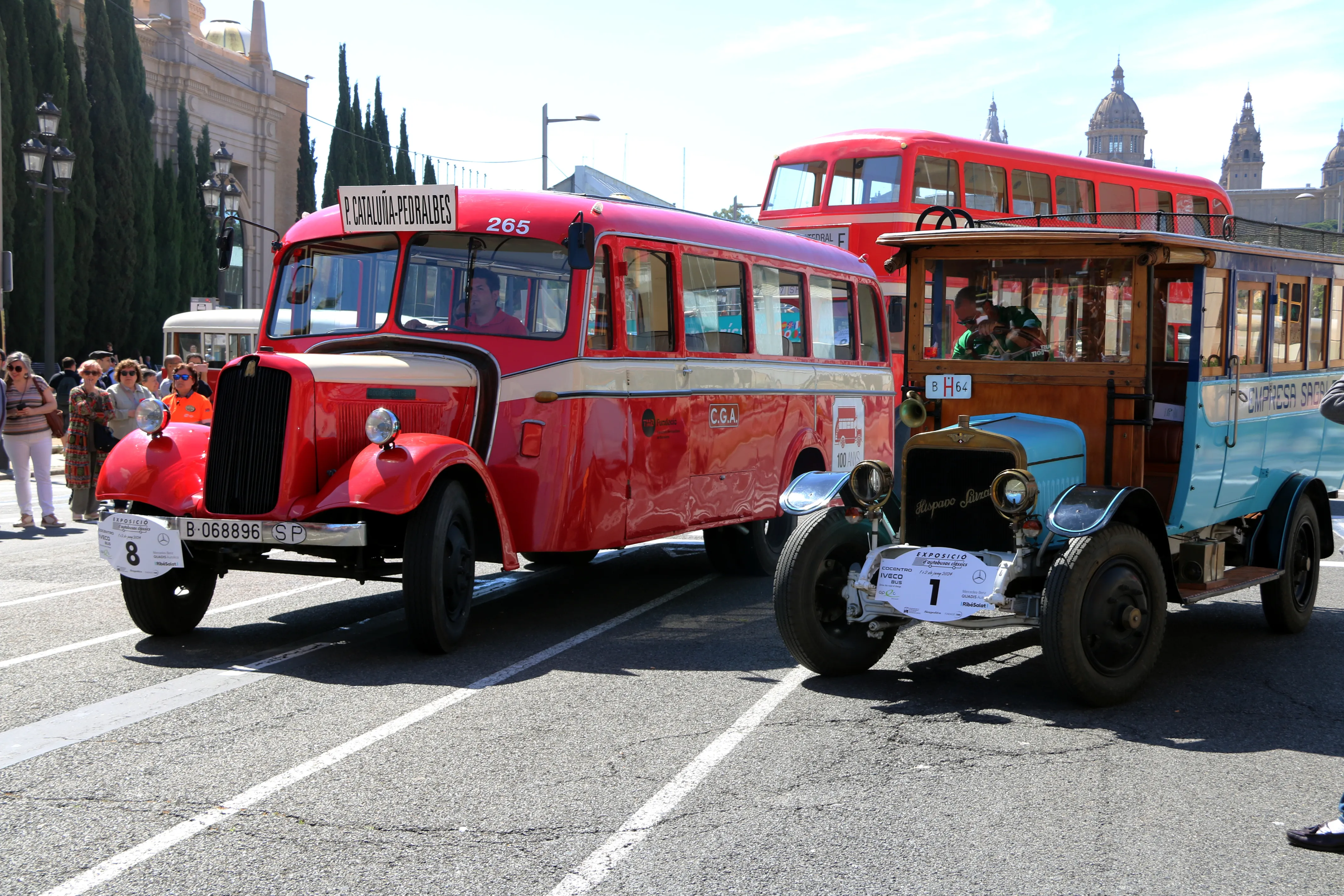
Barcelona has always been a city of façades and streetscapes — places you don’t just visit, you pass through. From the first horse‑drawn trams and electric lines that stitched the old city to its expanding neighborhoods, Barcelonins learned to see their city from a moving seat: sea to hills, Gothic arch to Modernisme curve.
By the early 20th century, open vehicles gave residents their first taste of wind‑in‑the‑hair city touring. Later, as tourism grew and the skyline gained new icons, that casual way of looking turned into a crafted experience: routes chosen for light, plazas framed for photos, and an easy promise — sit down, press play, and watch Barcelona bloom around you.
Modernisme and the Gaudí effect
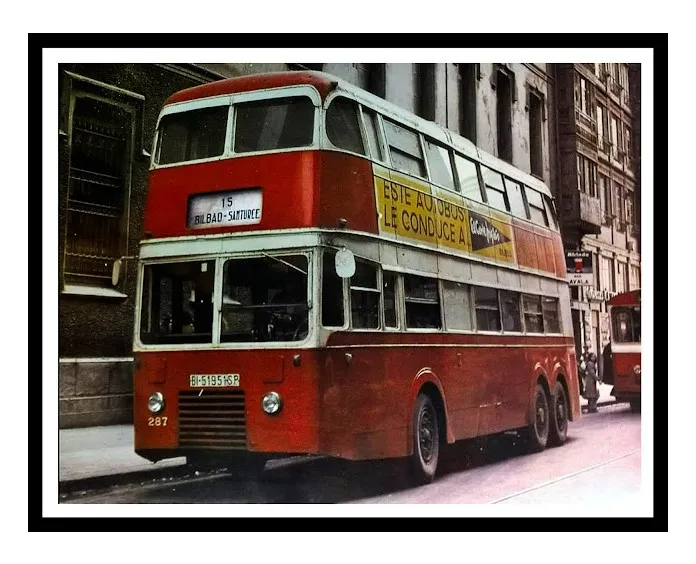
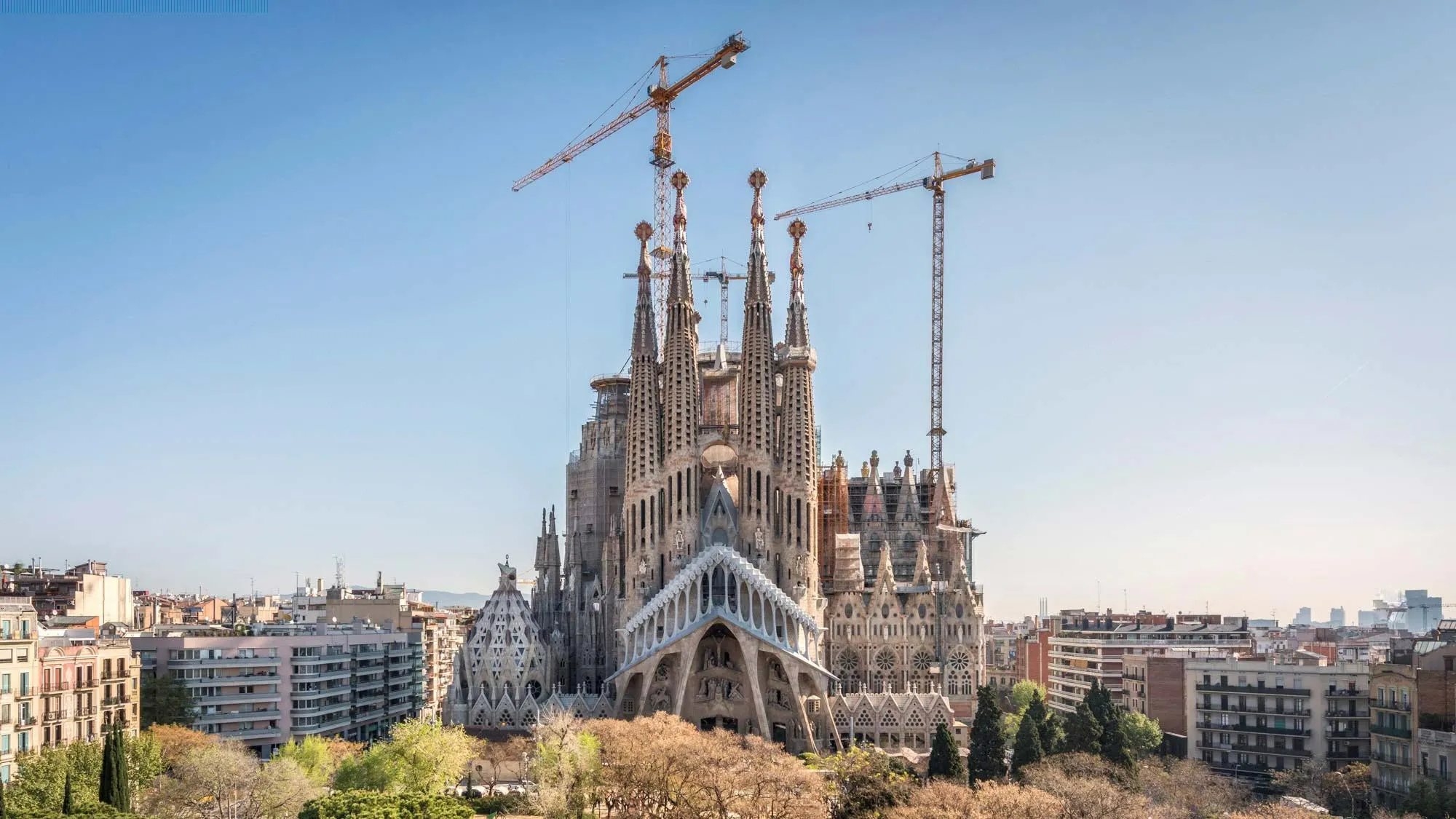
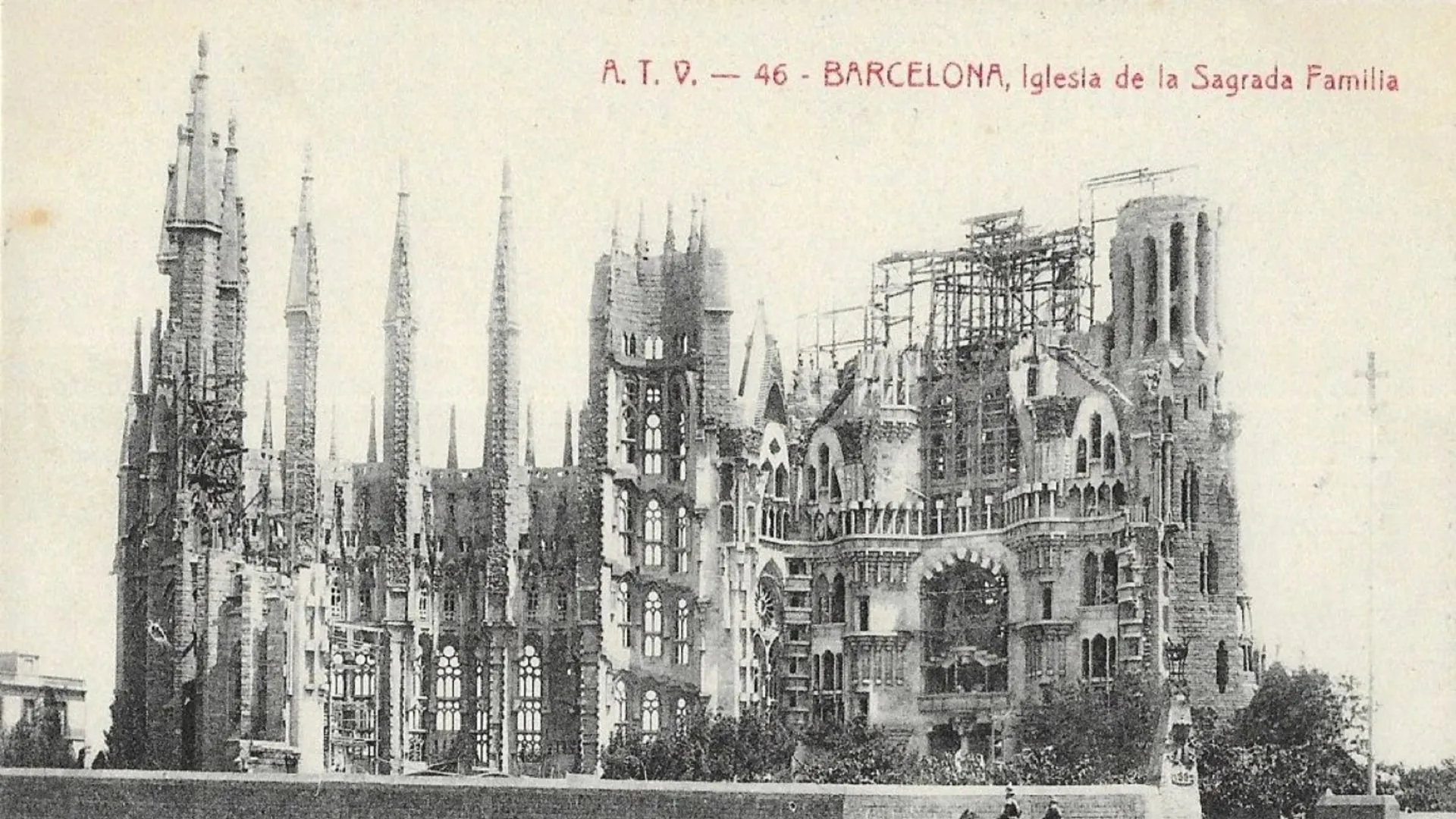
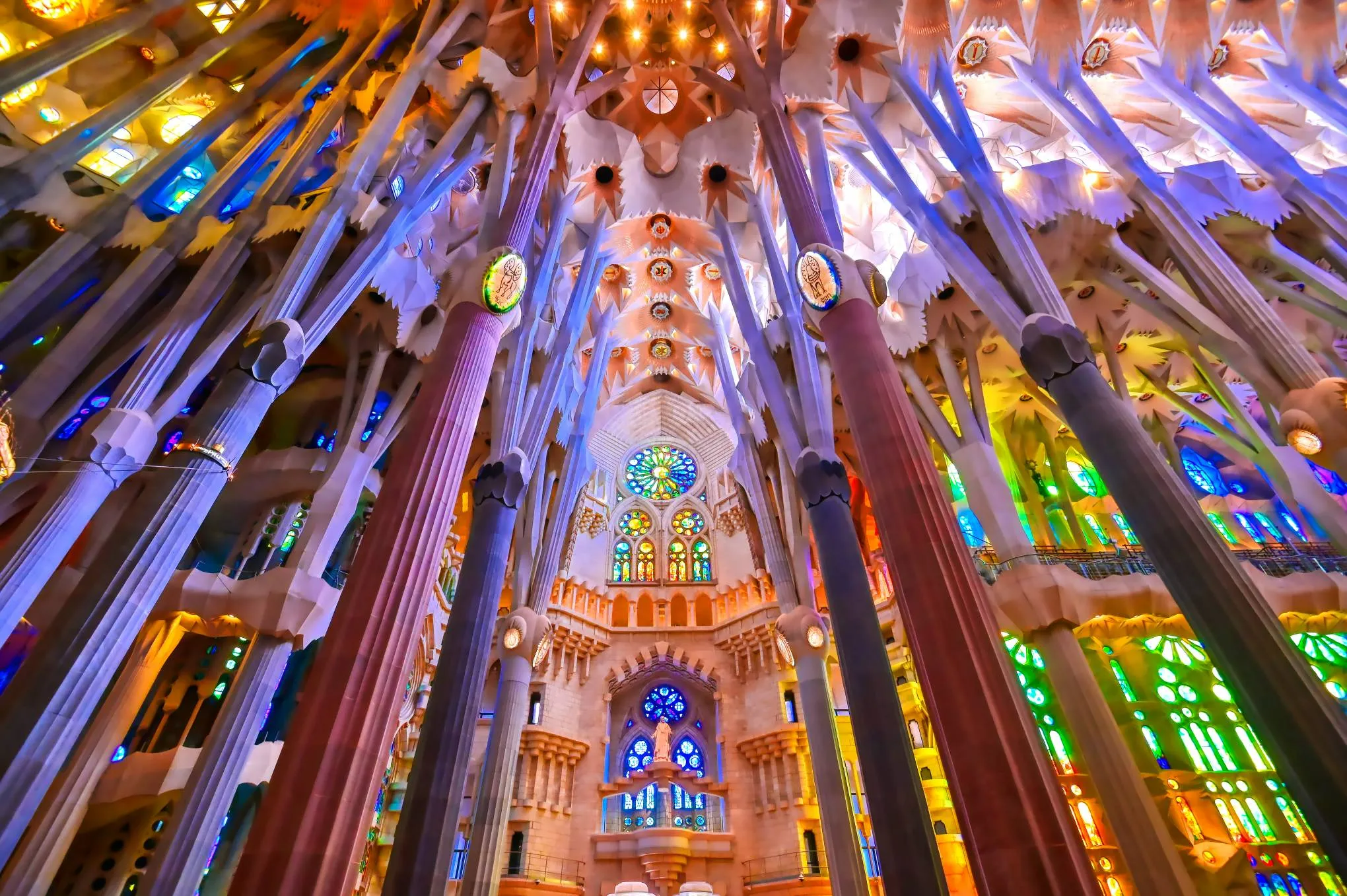
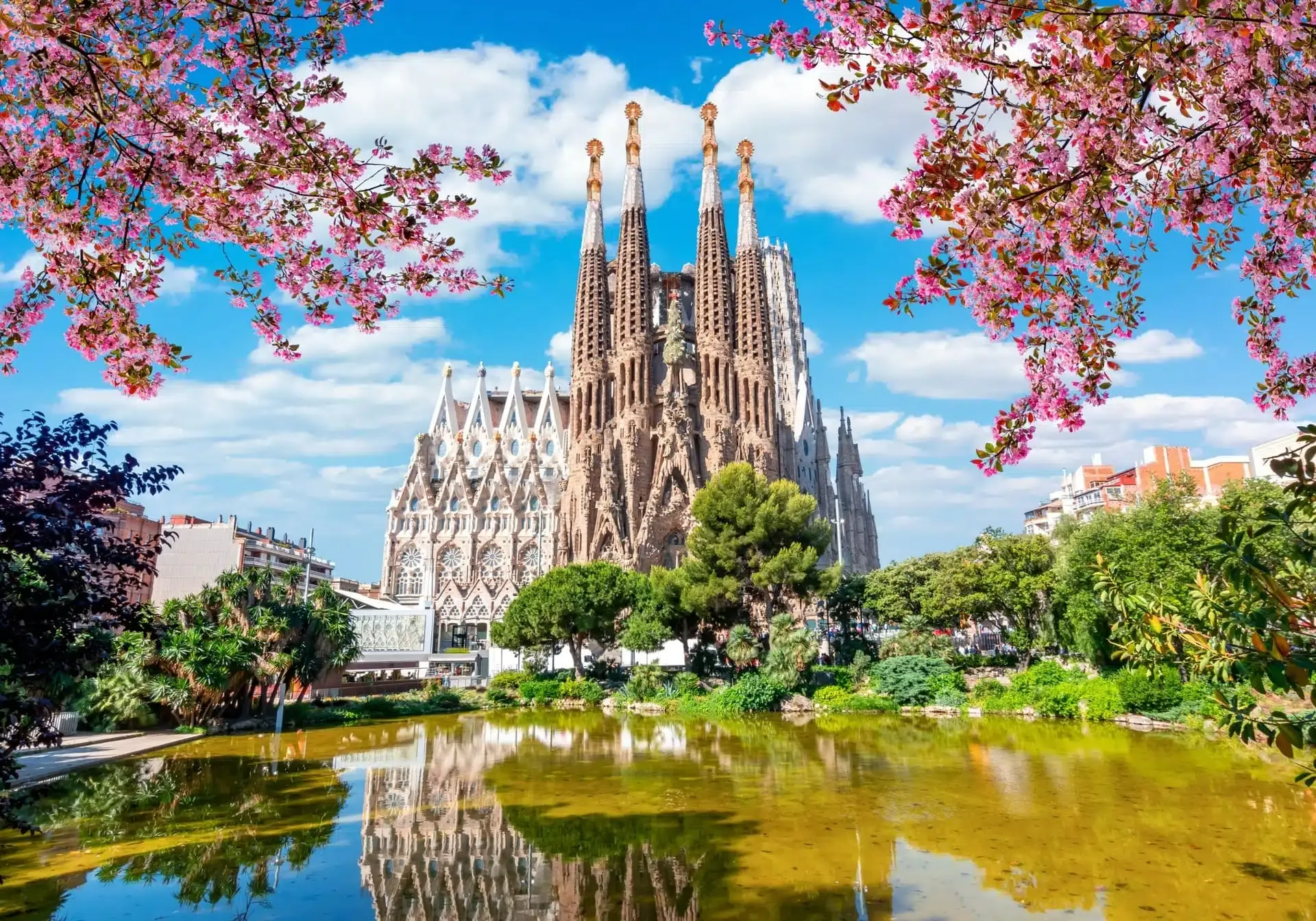
At the turn of the century, Barcelona’s Eixample grid became a gallery for Modernisme — stone turned liquid, iron blossomed, and color spilled across tile and stained glass. No single name changed the city’s silhouette like Antoni Gaudí. From Sagrada Família’s towers to Park Güell’s hillside mosaics, his work begs to be approached slowly, then admired from a distance, which is exactly what a panoramic bus does best.
Every corner tells a story: Casa Batlló’s rippling spine on Passeig de Gràcia, La Pedrera’s sculpted roof chimneys like helmeted sentinels, and the way late afternoon light brushes their façades. A good route lets you see how these buildings speak to each other across wide avenues, with commentary filling in the gossip behind the genius.
Olympic transformations and new avenues
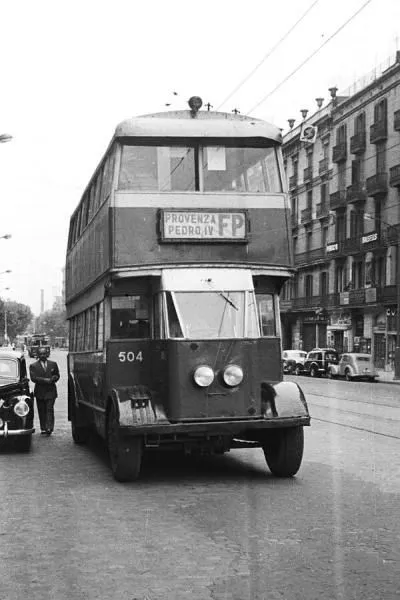
The 1992 Olympic Games reintroduced Barcelona to the world and the city to its shoreline. Rail yards became beaches, ring roads smoothed cross‑town travel, and Montjuïc’s slopes gained museums, gardens and the Olympic Ring. The hop‑on hop‑off emerged perfectly suited to this reimagined geography: one continuous ribbon connecting sea, hill and grid.
Sit on the upper deck and you can trace the transformation: the gentle climb to the Magic Fountain and Palau Nacional, the stadium’s clean lines against blue sky, and the turn that suddenly reveals the harbor like a stage. It’s urban history you can feel with each curve.
Birth of the hop‑on hop‑off
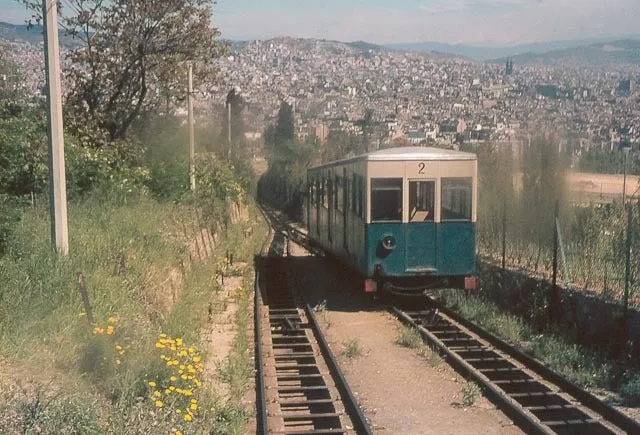
As visitor numbers rose, Barcelona blended its efficient public transport DNA with leisurely sightseeing. The hop‑on hop‑off model took shape: two or more curated routes, frequent loops, a single pass, and commentary tuned to the city’s rhythm.
It wasn’t just about transport — it was storytelling on wheels. The routes were drawn the way a local friend would plan your day: start with Gaudí, break for the market, roll along the waterfront, climb for a view, end with a golden‑hour avenue.
Routes that read the city
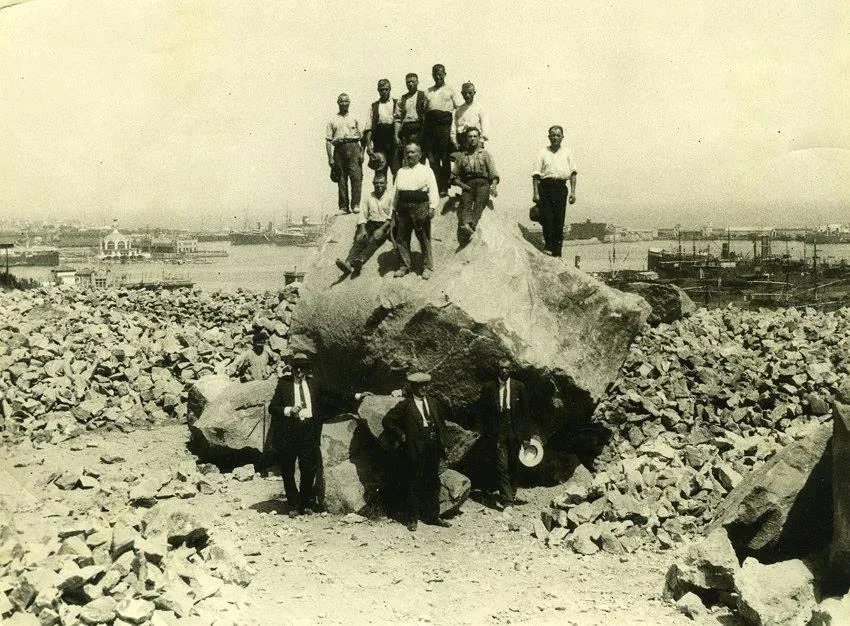
Look at a route map and you can ‘read’ Barcelona: a red line threading the historic heart and Gaudí’s boulevard, a blue line sweeping the beaches and Montjuïc. Together, they knit the city’s contrasts — medieval lanes and airy grids, salty breezes and shaded squares.
It’s a painter’s palette of neighborhoods: Gothic spires, market chatter from La Boqueria, maritime gulls over Barceloneta, then up to gardens where pines scent the breeze. You’re not just going from A to B; you’re letting the city arrange itself in a sequence that makes sense.
Voices on board: commentary and music
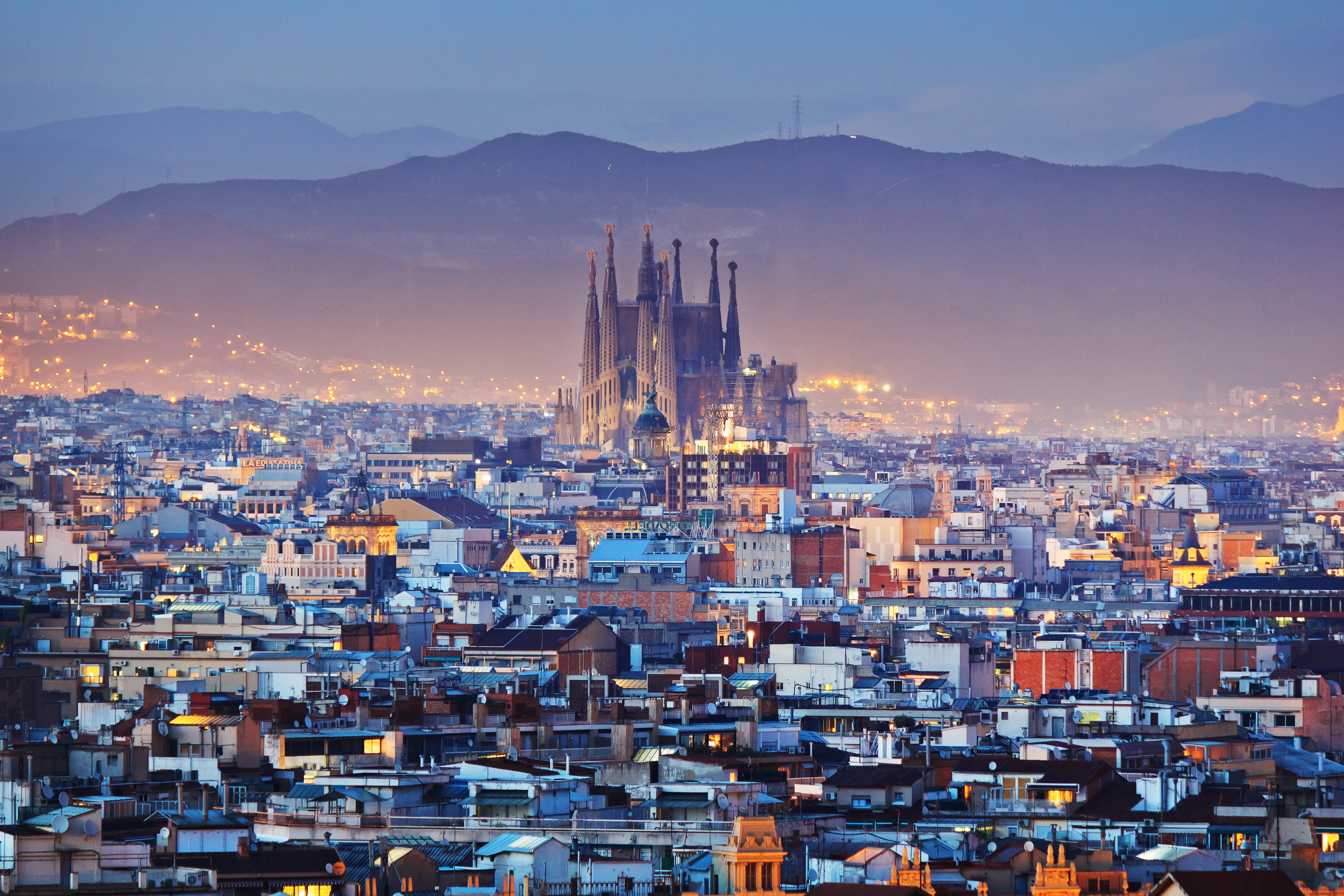
The best rides pair facts with feeling: a concise audio guide that points out a Modernisme balcony you might have missed, adds a story about a café where an artist sketched, or tells you why a square is named after a forgotten hero.
Between stops, a local soundtrack sets the pace — a little guitar, a drum of festival, the hush of sea wind in your hair on the upper deck. It’s simple, but it sticks with you.
From harbor to hills: movement and views
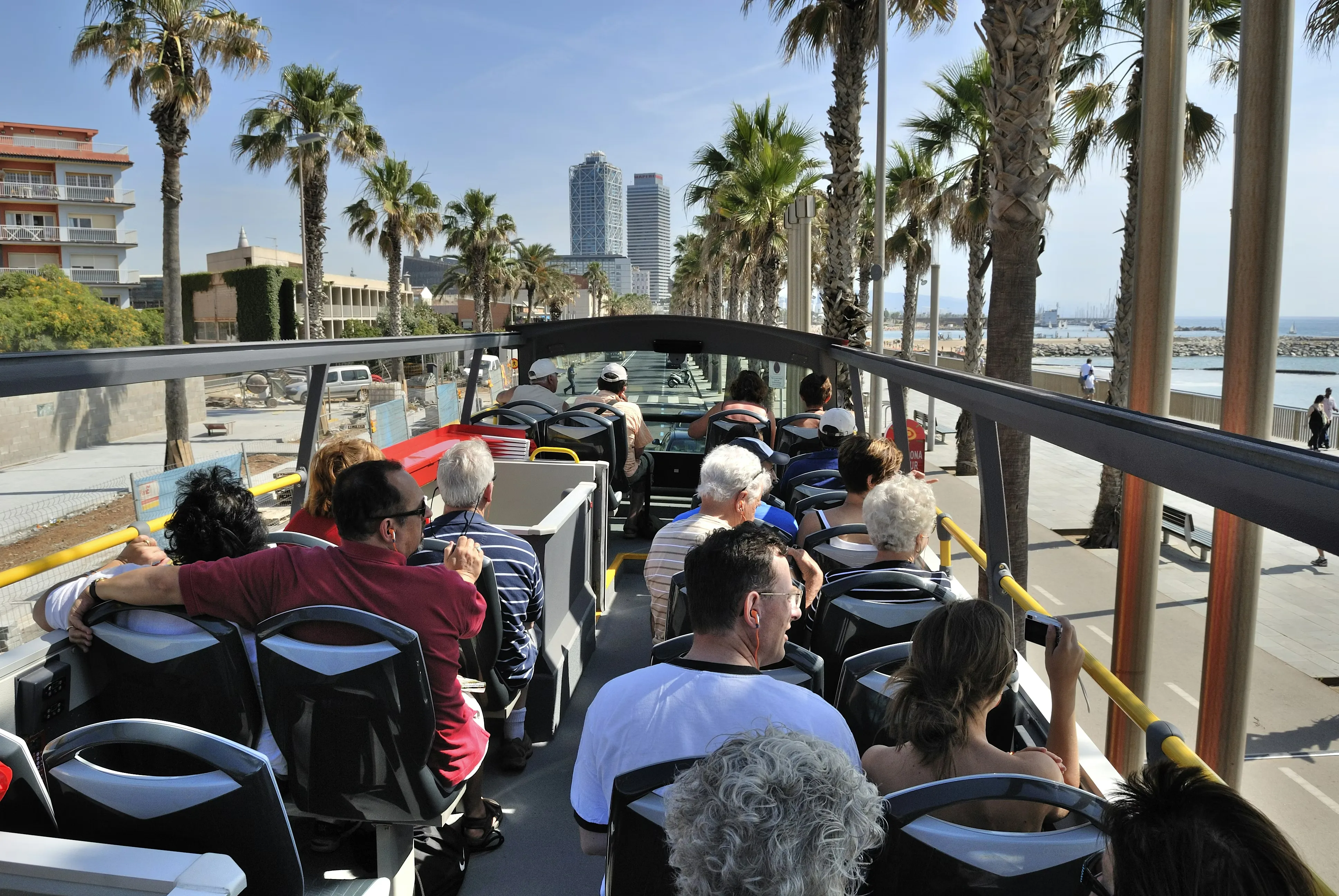
Part of the magic is kinetic: wide avenues unfurl like ribbons, the coastline slides by with sails and palm trees, and then the climb — Montjuïc rising, the city flattening into a mosaic below.
These are the moments the upper deck was made for: sunglasses, a gentle breeze, and that sudden, collective murmur when Sagrada Família’s towers appear between rooftops.
Accessibility and family‑friendly travel
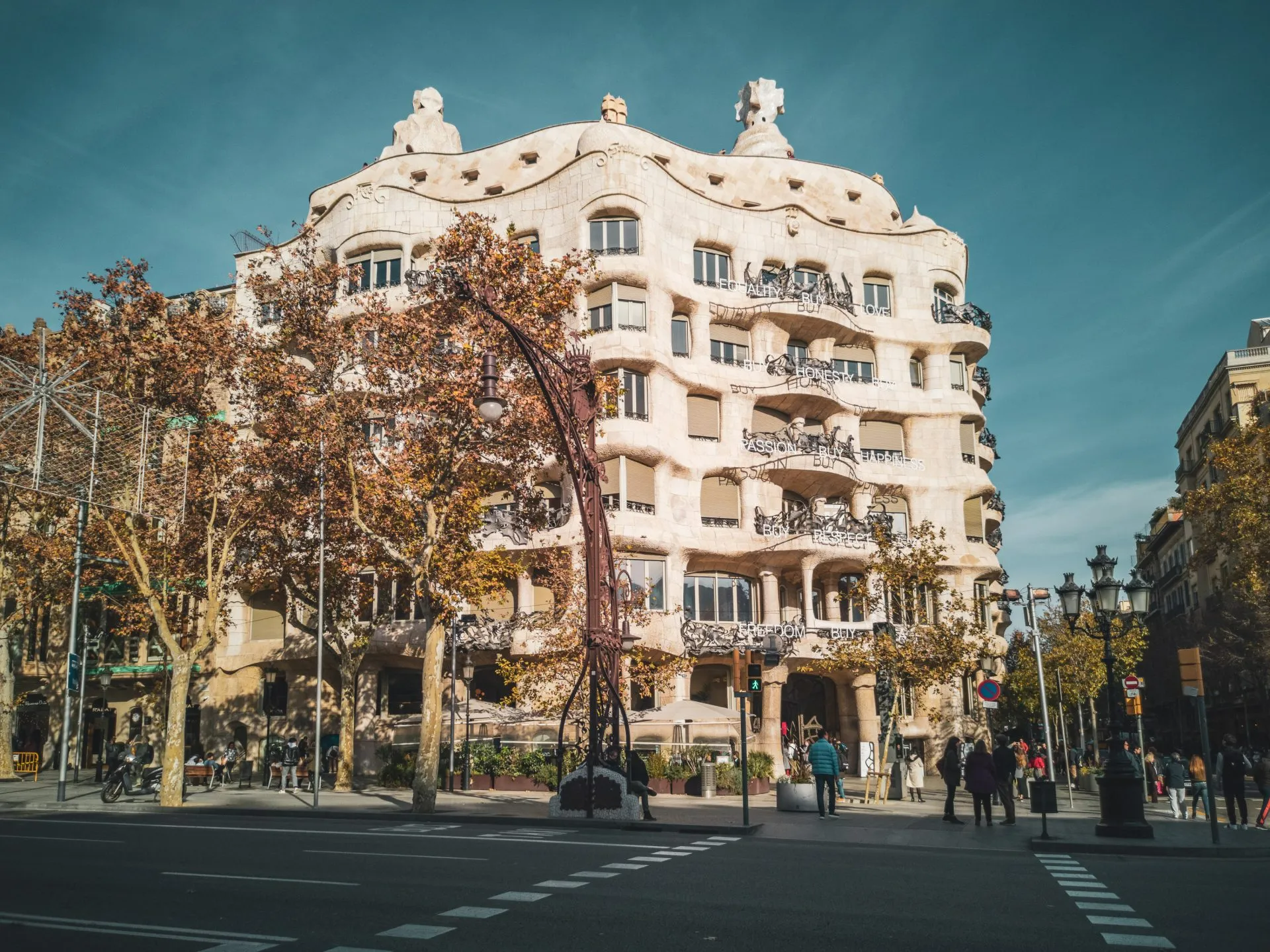
Modern low‑floor buses, ramp access at key stops, and staff who know the routine — accessibility is built into the experience, though upper‑deck stairs can limit access.
Families find it easy: space for strollers, frequent restroom opportunities at big stops, and a pace that lets you hop off for snacks, parks and beach breaks.
Festivals, football and busy days
Barcelona loves a celebration — La Mercè, Sant Jordi, summer festivals and match days around the Camp Nou area can swell crowds and color the city with music and flags.
On festive days, the bus becomes a moving balcony: slower, yes, but richer with atmosphere. Start early, be flexible with stops, and enjoy the show.
Tickets, passes & smart combos
Time‑based passes (24/48 hours) fit short breaks and longer stays. Activate on first boarding and use the full allowance.
Combos with Sagrada Família, Park Güell, Casa Batlló or La Pedrera secure timed entry and trim queues. It’s the city’s highlights, harmonized.
Sustainability and better tourism
Newer fleets favor lower emissions and smoother engines. Concentrating sightseeing on shared vehicles means fewer private transfers and a calmer center.
Travel kindly: ride early or late to spread footfall, carry a refillable bottle, and linger in neighborhoods beyond the checklist — that’s where the city breathes.
Neighborhood moments beyond the bus
The bus is your spine for the day; the best memories branch off it: a vermut in a tiny bar, a courtyard discovered behind a church door, a street musician under plane trees on a quiet square.
Hop off, wander fifteen minutes without a plan, then circle back. Barcelona rewards curiosity with human‑scale surprises.
Why this way of seeing works
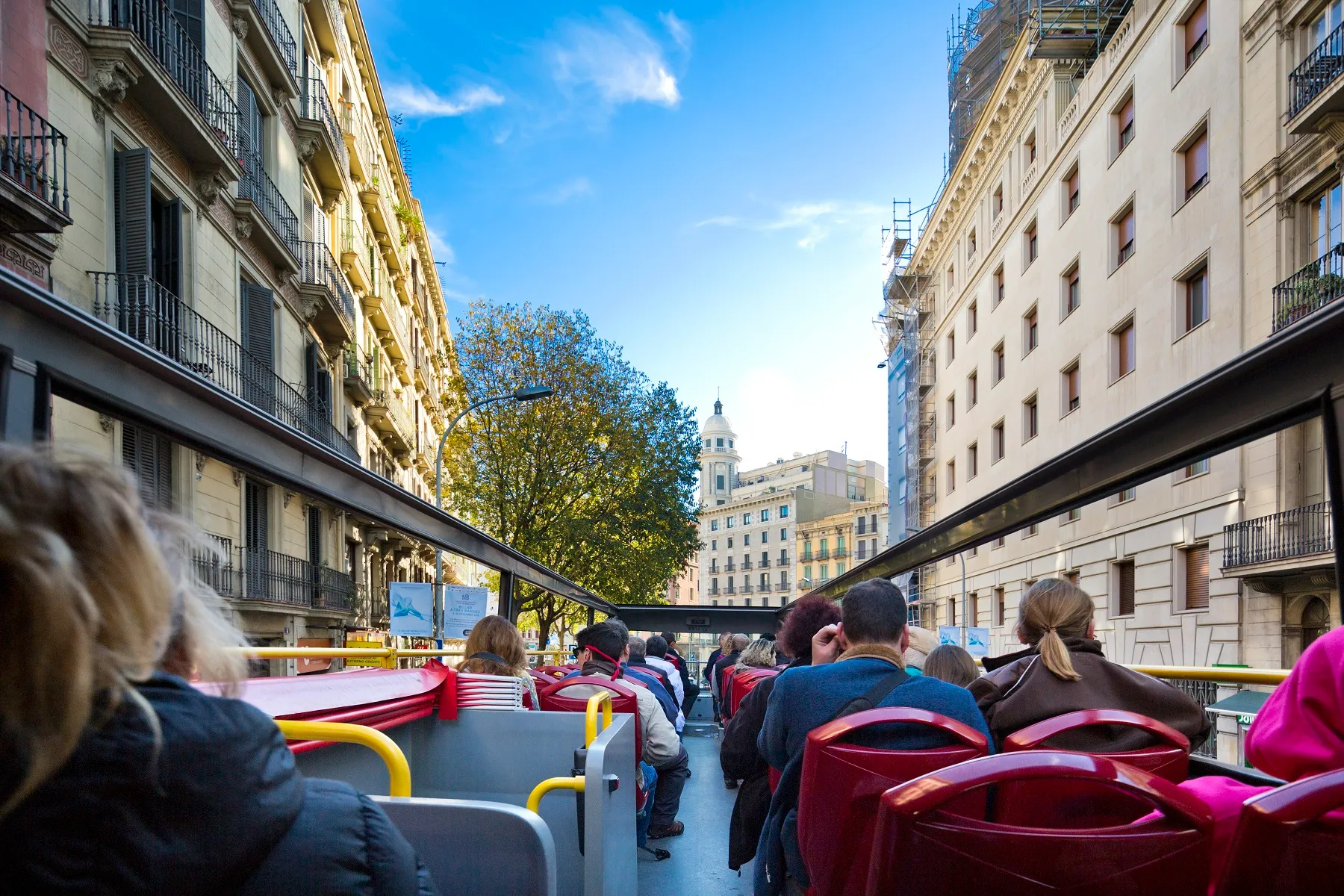
Barcelona’s beauty is spatial — lines, light and long vistas. The hop‑on hop‑off turns those elements into an easy narrative, giving you the big picture before you dive into details on foot.
It’s flexible, human‑paced and quietly joyful — the city as it was meant to be seen: in motion, with time to pause whenever something catches your eye.
Table of Contents
Origins of sightseeing in Barcelona
Barcelona has always been a city of façades and streetscapes — places you don’t just visit, you pass through. From the first horse‑drawn trams and electric lines that stitched the old city to its expanding neighborhoods, Barcelonins learned to see their city from a moving seat: sea to hills, Gothic arch to Modernisme curve.
By the early 20th century, open vehicles gave residents their first taste of wind‑in‑the‑hair city touring. Later, as tourism grew and the skyline gained new icons, that casual way of looking turned into a crafted experience: routes chosen for light, plazas framed for photos, and an easy promise — sit down, press play, and watch Barcelona bloom around you.
Modernisme and the Gaudí effect
At the turn of the century, Barcelona’s Eixample grid became a gallery for Modernisme — stone turned liquid, iron blossomed, and color spilled across tile and stained glass. No single name changed the city’s silhouette like Antoni Gaudí. From Sagrada Família’s towers to Park Güell’s hillside mosaics, his work begs to be approached slowly, then admired from a distance, which is exactly what a panoramic bus does best.
Every corner tells a story: Casa Batlló’s rippling spine on Passeig de Gràcia, La Pedrera’s sculpted roof chimneys like helmeted sentinels, and the way late afternoon light brushes their façades. A good route lets you see how these buildings speak to each other across wide avenues, with commentary filling in the gossip behind the genius.
Olympic transformations and new avenues
The 1992 Olympic Games reintroduced Barcelona to the world and the city to its shoreline. Rail yards became beaches, ring roads smoothed cross‑town travel, and Montjuïc’s slopes gained museums, gardens and the Olympic Ring. The hop‑on hop‑off emerged perfectly suited to this reimagined geography: one continuous ribbon connecting sea, hill and grid.
Sit on the upper deck and you can trace the transformation: the gentle climb to the Magic Fountain and Palau Nacional, the stadium’s clean lines against blue sky, and the turn that suddenly reveals the harbor like a stage. It’s urban history you can feel with each curve.
Birth of the hop‑on hop‑off
As visitor numbers rose, Barcelona blended its efficient public transport DNA with leisurely sightseeing. The hop‑on hop‑off model took shape: two or more curated routes, frequent loops, a single pass, and commentary tuned to the city’s rhythm.
It wasn’t just about transport — it was storytelling on wheels. The routes were drawn the way a local friend would plan your day: start with Gaudí, break for the market, roll along the waterfront, climb for a view, end with a golden‑hour avenue.
Routes that read the city
Look at a route map and you can ‘read’ Barcelona: a red line threading the historic heart and Gaudí’s boulevard, a blue line sweeping the beaches and Montjuïc. Together, they knit the city’s contrasts — medieval lanes and airy grids, salty breezes and shaded squares.
It’s a painter’s palette of neighborhoods: Gothic spires, market chatter from La Boqueria, maritime gulls over Barceloneta, then up to gardens where pines scent the breeze. You’re not just going from A to B; you’re letting the city arrange itself in a sequence that makes sense.
Voices on board: commentary and music
The best rides pair facts with feeling: a concise audio guide that points out a Modernisme balcony you might have missed, adds a story about a café where an artist sketched, or tells you why a square is named after a forgotten hero.
Between stops, a local soundtrack sets the pace — a little guitar, a drum of festival, the hush of sea wind in your hair on the upper deck. It’s simple, but it sticks with you.
From harbor to hills: movement and views
Part of the magic is kinetic: wide avenues unfurl like ribbons, the coastline slides by with sails and palm trees, and then the climb — Montjuïc rising, the city flattening into a mosaic below.
These are the moments the upper deck was made for: sunglasses, a gentle breeze, and that sudden, collective murmur when Sagrada Família’s towers appear between rooftops.
Accessibility and family‑friendly travel
Modern low‑floor buses, ramp access at key stops, and staff who know the routine — accessibility is built into the experience, though upper‑deck stairs can limit access.
Families find it easy: space for strollers, frequent restroom opportunities at big stops, and a pace that lets you hop off for snacks, parks and beach breaks.
Festivals, football and busy days
Barcelona loves a celebration — La Mercè, Sant Jordi, summer festivals and match days around the Camp Nou area can swell crowds and color the city with music and flags.
On festive days, the bus becomes a moving balcony: slower, yes, but richer with atmosphere. Start early, be flexible with stops, and enjoy the show.
Tickets, passes & smart combos
Time‑based passes (24/48 hours) fit short breaks and longer stays. Activate on first boarding and use the full allowance.
Combos with Sagrada Família, Park Güell, Casa Batlló or La Pedrera secure timed entry and trim queues. It’s the city’s highlights, harmonized.
Sustainability and better tourism
Newer fleets favor lower emissions and smoother engines. Concentrating sightseeing on shared vehicles means fewer private transfers and a calmer center.
Travel kindly: ride early or late to spread footfall, carry a refillable bottle, and linger in neighborhoods beyond the checklist — that’s where the city breathes.
Neighborhood moments beyond the bus
The bus is your spine for the day; the best memories branch off it: a vermut in a tiny bar, a courtyard discovered behind a church door, a street musician under plane trees on a quiet square.
Hop off, wander fifteen minutes without a plan, then circle back. Barcelona rewards curiosity with human‑scale surprises.
Why this way of seeing works
Barcelona’s beauty is spatial — lines, light and long vistas. The hop‑on hop‑off turns those elements into an easy narrative, giving you the big picture before you dive into details on foot.
It’s flexible, human‑paced and quietly joyful — the city as it was meant to be seen: in motion, with time to pause whenever something catches your eye.